Every wedding carries a handful of superstitions and small rituals that have survived wars, fashion cycles and generations of eye-rolling. Some are Victorian; some are medieval; a few trace back to Roman and ancient Greek practice. Here are ten wedding traditions brides still honour today, and the quiet history behind each.
1. Something old, something new, something borrowed, something blueThe complete rhyme dates to 1871 Lancashire folklore and adds a fifth clause often forgotten: "and a silver sixpence in her shoe." Each element symbolises a wish:
- Old: continuity with family.
- New: optimism for the future.
- Borrowed: borrowed happiness from a happily married friend.
- Blue: fidelity and purity (from the Virgin Mary's traditional colour).
- Silver sixpence: wealth and prosperity in the marriage.
White was never traditional until Queen Victoria wore it in 1840 to signal that her silk lace came from British weavers. Before her, royal brides wore their most colourful and valuable gown. Within a decade the white dress had become near-universal in Britain and soon in the Americas and continental Europe — proof of how quickly a single high-profile wedding reshapes tradition.
3. The bridal veilThe veil predates the white dress by millennia. Romans veiled brides in flammeum (flame-coloured fabric) to ward off evil spirits. Medieval Christian brides wore veils to symbolise modesty and the lifting of the veil by the groom echoed the unveiling at the Jewish tradition's bedeken. Today it is kept largely for photographic drama and for the single moment when the groom sees the bride's face.
4. The father "giving away" the brideA tradition with honest medieval roots — the bride was literally transferred from one guardian (father) to another (husband) as part of a property contract. Modern couples often reinterpret it: both parents accompanying the bride, the bride walking alone, or partners walking down the aisle together.
5. The bridal bouquetOriginally practical — brides in medieval Europe carried herbs (garlic, dill, rosemary) to ward off evil and mask body odour in an era of infrequent bathing. Flowers replaced herbs by the Tudor period. Specific flowers came to carry meanings: roses for love, lily of the valley for humility, peonies for prosperity, orange blossom for fertility (popularised by Queen Victoria in her 1840 bouquet).
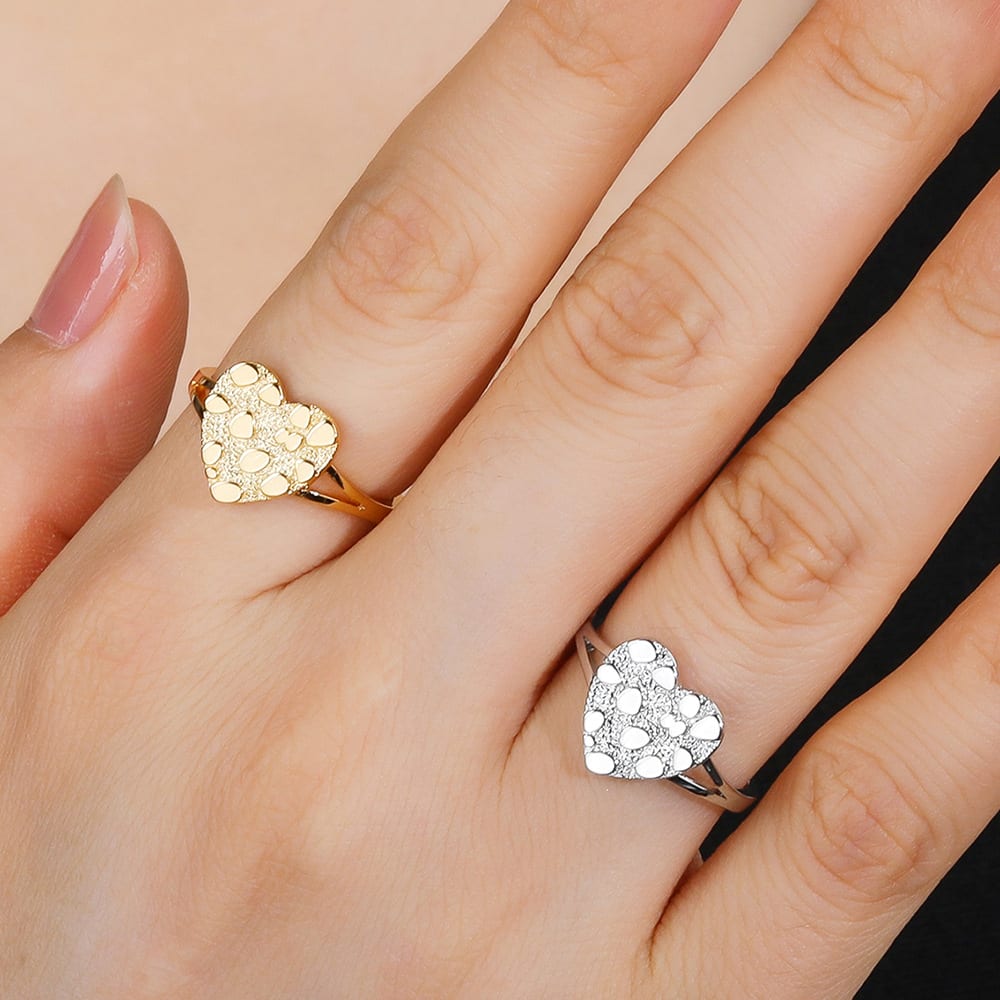
6. The wedding ring on the fourth fingerAncient Egyptian and Roman medical tradition held that a vena amoris ("vein of love") ran directly from the fourth finger to the heart. Modern anatomy has politely disagreed, but the tradition has lasted 2,000 years. Some European countries (Germany, Austria, Russia, Norway, Spain) wear the ring on the right hand; Anglophone countries keep to the left.
7. Avoiding the first lookThe superstition that the groom should not see the bride before the ceremony dates to arranged marriages, when a last-minute look might have led to a called-off union. Many modern couples deliberately break the tradition with a private "first look" photograph session before the ceremony — a quieter, more intimate moment than the public aisle reveal.
8. The bouquet toss and garter throwThe bouquet toss derives from 14th-century France, where guests would tear at the bride's dress for good luck. Savvy brides started throwing objects as distraction — first garters, later bouquets. The garter toss survives (though increasingly rare); the bouquet toss has become a universal party tradition.
9. Crossing the thresholdRomans believed evil spirits waited at the entrance to a new home, and a bride stumbling across the threshold brought catastrophic bad luck. The groom lifting the bride over it protected them both. Today it is a photographic moment more than a belief, but the image of the newly married couple entering the home together remains one of the most photographed rituals in modern weddings.
10. Cutting the cake togetherThe shared first cut and exchange of cake (often feeding each other the first bite) symbolises sharing prosperity and taking care of each other in marriage. Some ancient Roman weddings broke a cake of barley or wheat over the bride's head — the guests then scrambled for crumbs for luck. Modern cake cutting is gentler but the idea is the same: the first meal as a married couple is a shared one.
Modern takes and reinventionsThe best contemporary weddings pick and choose:
- Keep traditions that feel meaningful to the couple.
- Reinterpret those with problematic origins (giving away, garter toss).
- Invent personal rituals — planting a tree together, sealing a love letter for the tenth anniversary, exchanging handwritten vows in private before the ceremony.
A tradition carries meaning only when the people performing it believe in it. Choose the ones that still resonate and retire the rest with confidence.
FAQIs it considered rude to skip a traditional ritual?
Not at all — most guests today expect some personalisation. Skip traditions you find uncomfortable and focus on those that resonate with your relationship.
What's the oldest surviving wedding tradition?
The exchange of rings traces back at least 4,000 years to ancient Egypt. The symbolism of a circle with no beginning or end has survived more or less unchanged to today.
Are non-Western wedding traditions worth borrowing?
Many couples of mixed heritage blend them naturally — henna ceremonies, tea ceremonies, handfasting, Jewish ketubah signings. Borrow with respect and, where possible, with cultural consultation.
For more bridal content, see our guides on bridal jewellery by dress style and matching earrings to your veil.