Diamond remains the default, but the most interesting engagement rings of the last decade have been those that broke the rule. From sapphires to moissanite to heirloom stones re-set for a new generation, here is how to pick the right centre stone for the person you are marrying.
Start with durabilityAn engagement ring is worn daily — often more hours than any other piece of jewellery you will ever own. The Mohs hardness scale tells you which stones will survive that life:
- Diamond (10) — unmatched resistance to scratching.
- Sapphire and ruby (9) — excellent for daily wear; the second-hardest options available.
- Moissanite (9.25) — extraordinary hardness, excellent everyday stone.
- Topaz (8), spinel (8), aquamarine (7.5–8) — acceptable with a protective bezel setting.
- Emerald (7.5), tourmaline (7) — possible but vulnerable to chipping; reserve for low-impact wearers.
- Opal, pearl, tanzanite (under 6.5) — not recommended for standard engagement rings. Better as occasion jewellery.
If the wearer works hands-on (medical, culinary, hands-on crafts, weight training) aim for hardness 9 or higher.
Beautiful alternatives to diamondEach of these is a "real" gem — not a synthetic substitute — with its own history and personality:
- Sapphire: blue is traditional (Princess Diana's ring), but sapphire comes in every colour except red — yellow, peach (padparadscha), teal, pink and even colour-changing. Durable and beautifully timeless.
- Ruby: the most romantic alternative, the stone of passion. Fine rubies command higher prices per carat than diamond.
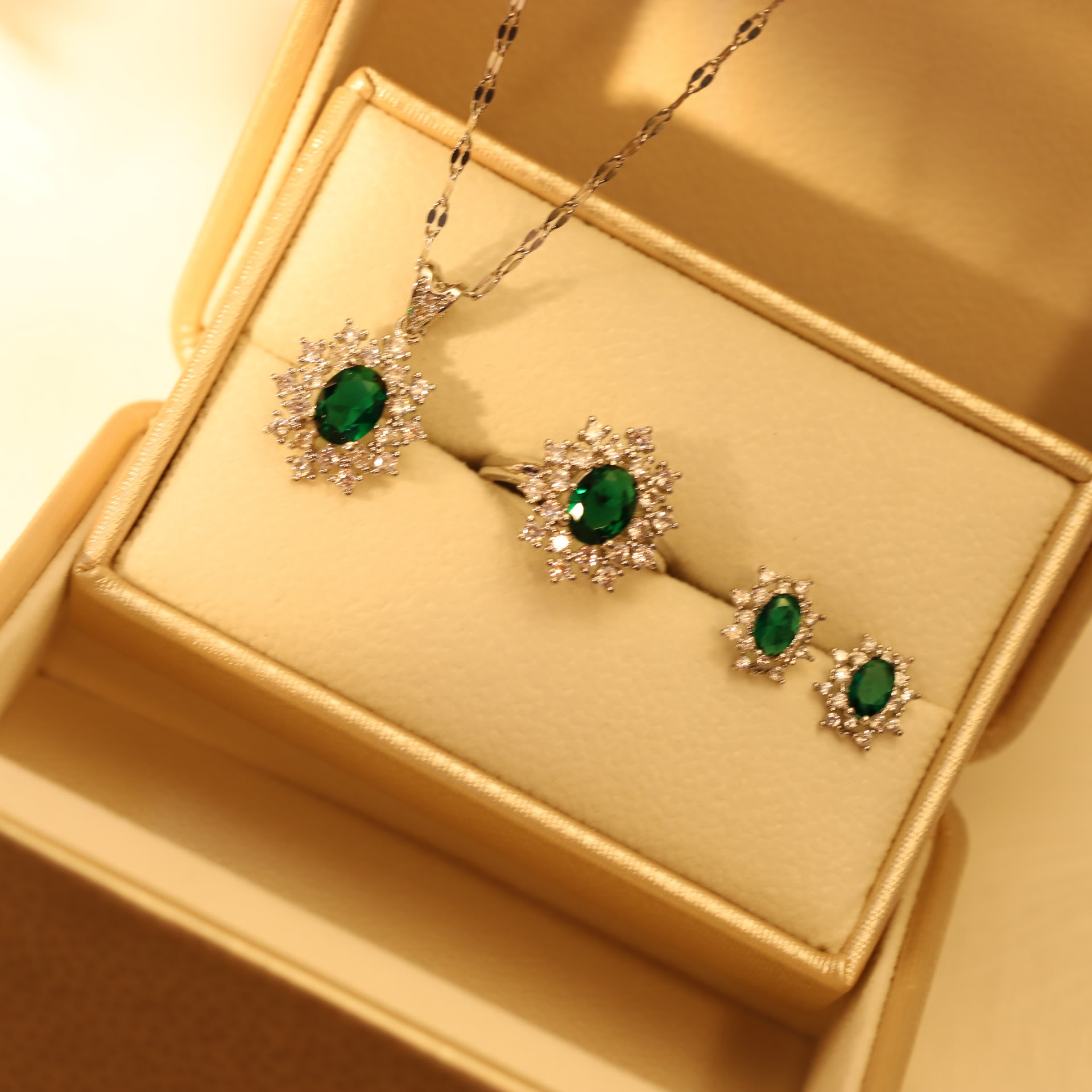
- Emerald: deep green and ancient — choose a stone with minimal inclusions ("jardin") and set in a protective bezel.
- Moissanite: laboratory-grown silicon carbide with comparable brilliance to diamond at 5–10% of the cost. Excellent for those prioritising size.
- Aquamarine: a soft blue that photographs beautifully and costs a fraction of diamond at the same size.
- Morganite: pale peach-pink beryl that suits rose gold settings and has become the defining "alternative" stone of the last decade.
- Salt-and-pepper diamond: natural diamonds with visible inclusions, used as-is — each is genuinely one of a kind.
If the colour of the stone matters more than the species:
- Blue (sapphire, aquamarine, tanzanite): loyalty, truth, calm.
- Green (emerald, peridot, demantoid garnet): renewal, growth, harmony.
- Red / pink (ruby, pink sapphire, morganite, pink tourmaline): passion, love, vitality.
- Yellow (yellow sapphire, yellow diamond, citrine): optimism, warmth, abundance.
- Colourless (diamond, moissanite, white sapphire): clarity, eternity, classic restraint.
Where you spend shapes what you get:
- At any budget, pay for cut quality over size or clarity. Excellent cut turns a small stone into a showpiece.
- Moissanite or lab-grown diamonds give you the biggest visible stone per dollar.
- Coloured sapphires in non-traditional colours (teal, yellow, peach) are gem-quality at a fraction of blue Burmese sapphire prices.
- Salt-and-pepper or "rustic" natural diamonds are deeply personal and often cost 40–70% less than clean stones of the same size.
- Vintage or repurposed stones — a Victorian rose-cut diamond reset in a modern band has unique character no new stone can match.
Five honest questions that lead to the right stone:
- What colour does the wearer wear most often?
- Are they traditional or adventurous with jewellery?
- How active are their hands during a typical week?
- Do they prefer quiet elegance or a statement piece?
- Do they have a family heirloom stone that could be reset?
Is choosing something other than a diamond "risky"?
Not in 2026 — coloured stones and alternative diamonds are now a third of premium engagement rings sold worldwide. As long as the stone is durable and well-set, it will age gracefully.
Can I mix metals and stones?
Yes. A sapphire centre with diamond accents, or a pear-shaped ruby flanked by tapered baguettes, can look richer than any single-stone design. Just match the metal quality across the piece.
What about heirloom stones?
Resetting a grandmother's diamond or sapphire into a new band is one of the most meaningful engagements possible — the stone carries real history, not just marketing narrative.
See how to evaluate a diamond in our 4 Cs guide, or explore rings for inspiration.