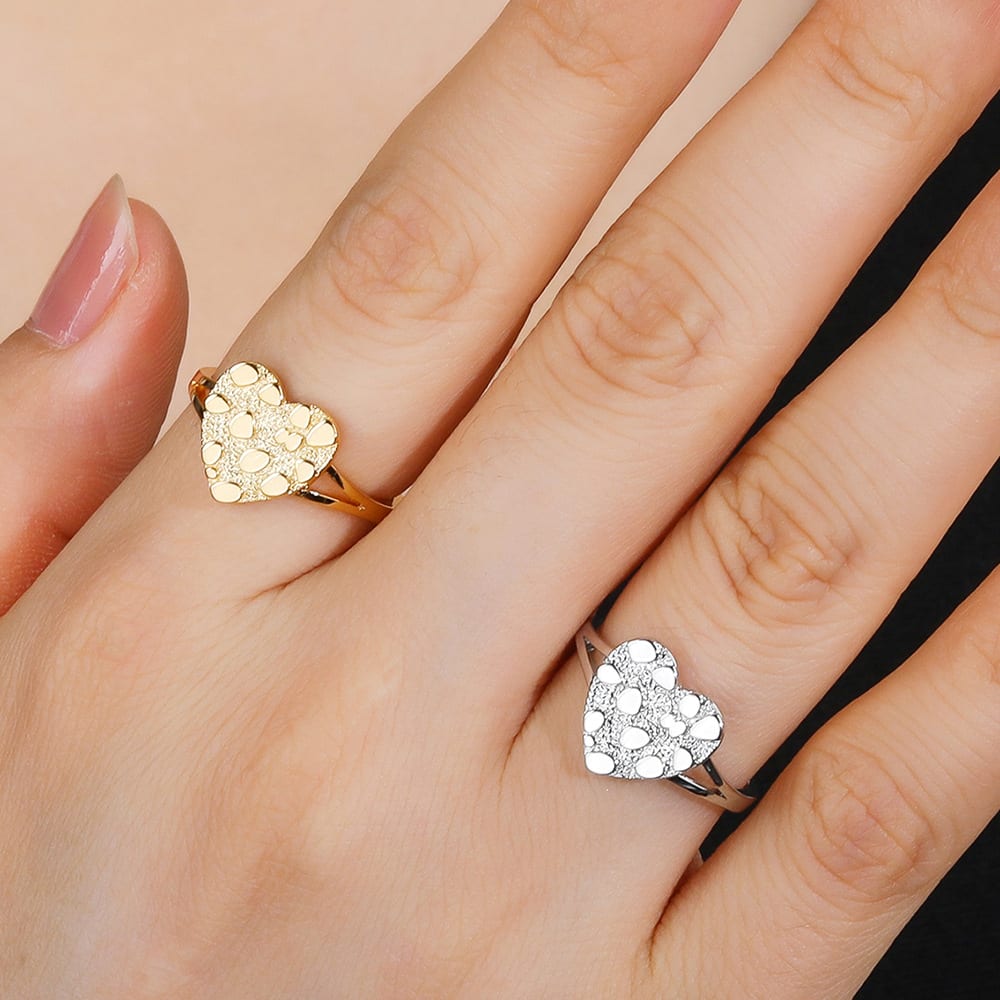
A wedding ring is the only piece of jewellery you wear every single day for the rest of your life. Choosing well is less about trends and more about engineering — comfort, durability and visual harmony with your engagement ring.
Start six months before the weddingThe order of operations most couples follow:
- 6 months before: visit jewellers together, look at metals and widths, pick a direction.
- 4 months before: place the order — bespoke or made-to-order rings need 6–10 weeks.
- 2 months before: the rings arrive; do a final fit and any small adjustments.
- 2 weeks before: engraving complete, rings cleaned, stored safely.
Don't leave it to the last month — every jeweller has stories of frantic resizings the week of the wedding.
Picking the metalThe metal will define the ring's character far more than any minor design detail.
- Platinum: the gold standard for fine wedding bands. Hypoallergenic, naturally white, extremely durable, and gains a soft satin patina over decades that many couples grow to love. About 20–30% more expensive than 18k gold but rarely needs replating.
- 18k yellow gold: classic, warm, timeless. The lower karat (vs 24k) is alloyed for hardness; 18k strikes the best balance between purity and durability.
- 18k rose gold: warm pink hue from copper alloy. Suits warm and cool skin tones equally; the most popular trend ring colour of the past decade.
- 18k white gold: a yellow-gold alloy plated with rhodium for whiteness. Beautiful but requires re-plating every 3–5 years to maintain its bright white appearance.
- 14k gold: harder than 18k, more affordable, slightly less yellow. Common in the United States.
- Titanium / tungsten: ultra-hard, lightweight, hypoallergenic. Cannot be resized — make sure the size is right.
If you want both partners' rings to feel like a pair, share at least one of these: metal type, profile, finish or engraving style.
Profile and finishThe cross-section of the band shapes how it sits and feels:
- Court / D-shape: rounded outside, flat inside. The most common and forgiving shape.
- Comfort fit: rounded inside as well — slides over the knuckle easily, feels softer in everyday wear. Highly recommended.
- Flat: rectangular cross-section, modern and architectural look.
- Knife-edge: peaked centre line for a sharper, more contemporary feel.
- Half-round: rounded outside, flat inside. Vintage feel.
Finishes change the personality without changing the shape:
- High polish — classic, bright, shows scratches but easy to refresh.
- Brushed / matte — modern and forgiving of daily wear.
- Hammered — handcrafted character, hides everyday marks.
- Milgrain / engraved patterns — a vintage decorative edge along the rim.
Common width guidelines:
- For most women: 2.0–3.0 mm.
- For most men: 4.0–6.0 mm.
- Slimmer fingers usually look better with narrower bands; broader hands suit wider bands.
Try several widths physically — a 4 mm band can look chunky on one finger and balanced on another. Wear the test bands for at least 30 minutes before deciding; the comfort difference between widths only emerges with time.
Matching the engagement ringIf your engagement ring is already chosen, the wedding band must sit flush against it. Three approaches:
- Plain band in matching metal — the most flexible long-term choice, sits beautifully against any setting.
- Contour / shadow band — custom-shaped to nestle around the engagement ring's centre stone or prongs. Looks like a single set when worn.
- Diamond eternity band — pavé or channel-set diamonds matching those on the engagement ring.
Bring the engagement ring when you shop for the band. A good jeweller will mock up the pair to confirm they look right together.
Daily-wear and lifestyle considerationsBe honest about your hands. If you climb, lift weights, garden, work in healthcare or use your hands constantly, lean toward:
- Lower-profile bands (no raised settings).
- Bezel-set stones if any.
- Harder metals (platinum, 14k, tungsten).
- Brushed finishes that hide micro-scratches.
If your work permits jewellery only off-hours, you have full freedom of design.
FAQDo the rings need to match exactly?
No. Many couples choose the same metal but different widths or finishes that suit each partner's hand. Matching is symbolic, not literal.
Can a wedding band be resized?
Plain gold and platinum bands resize easily within 1–2 sizes. Eternity bands set with stones all the way around cannot be resized — be sure of the size before ordering. Titanium and tungsten cannot be resized at all.
How much should we spend?
There's no universal answer. As a guideline, many couples spend 1–3% of the wedding budget on the rings. Plain platinum or 18k bands typically run from a few hundred to two thousand each; eternity diamond bands and bespoke designs go higher.
For inscription ideas, see our engraving guide, or learn the difference between engagement and wedding rings.