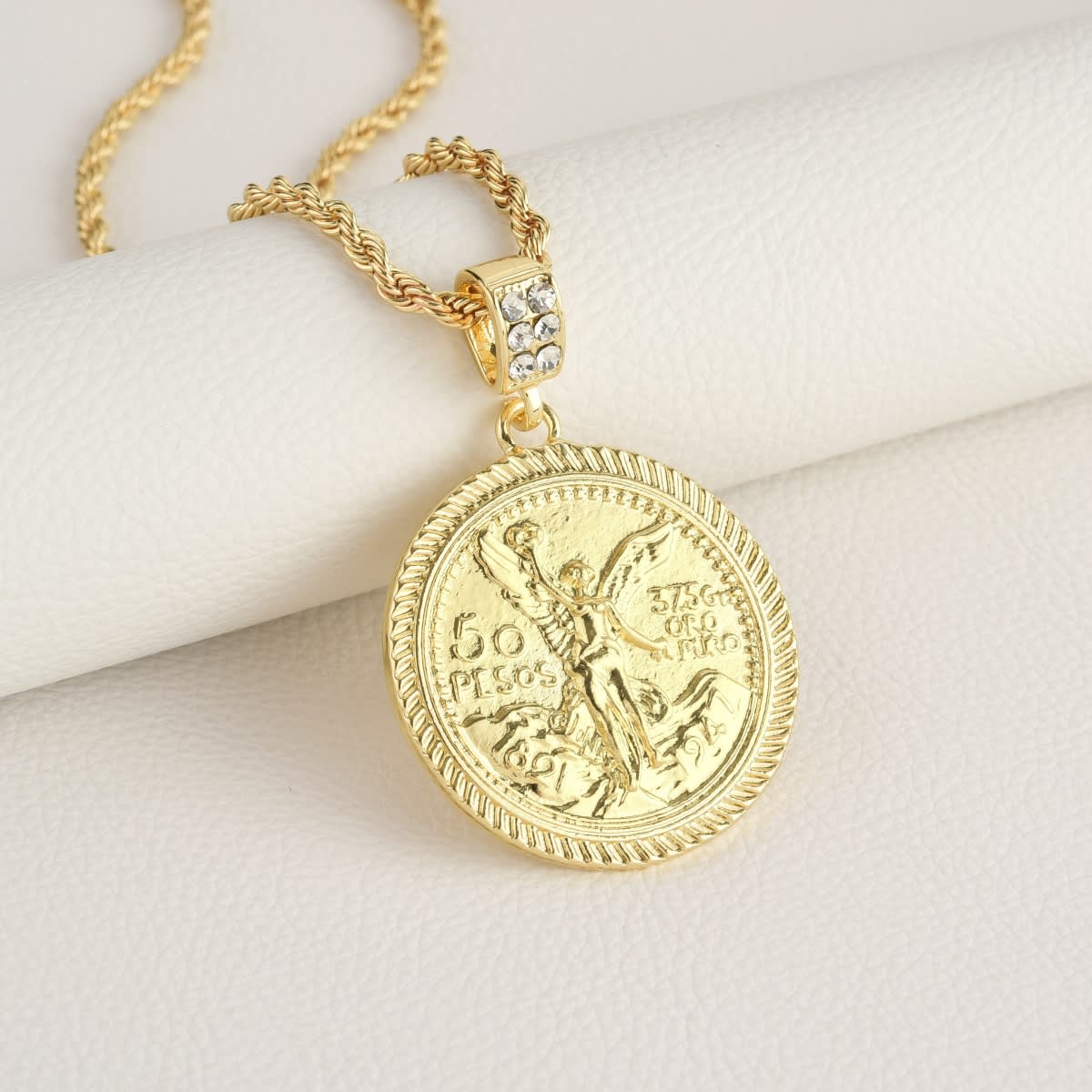
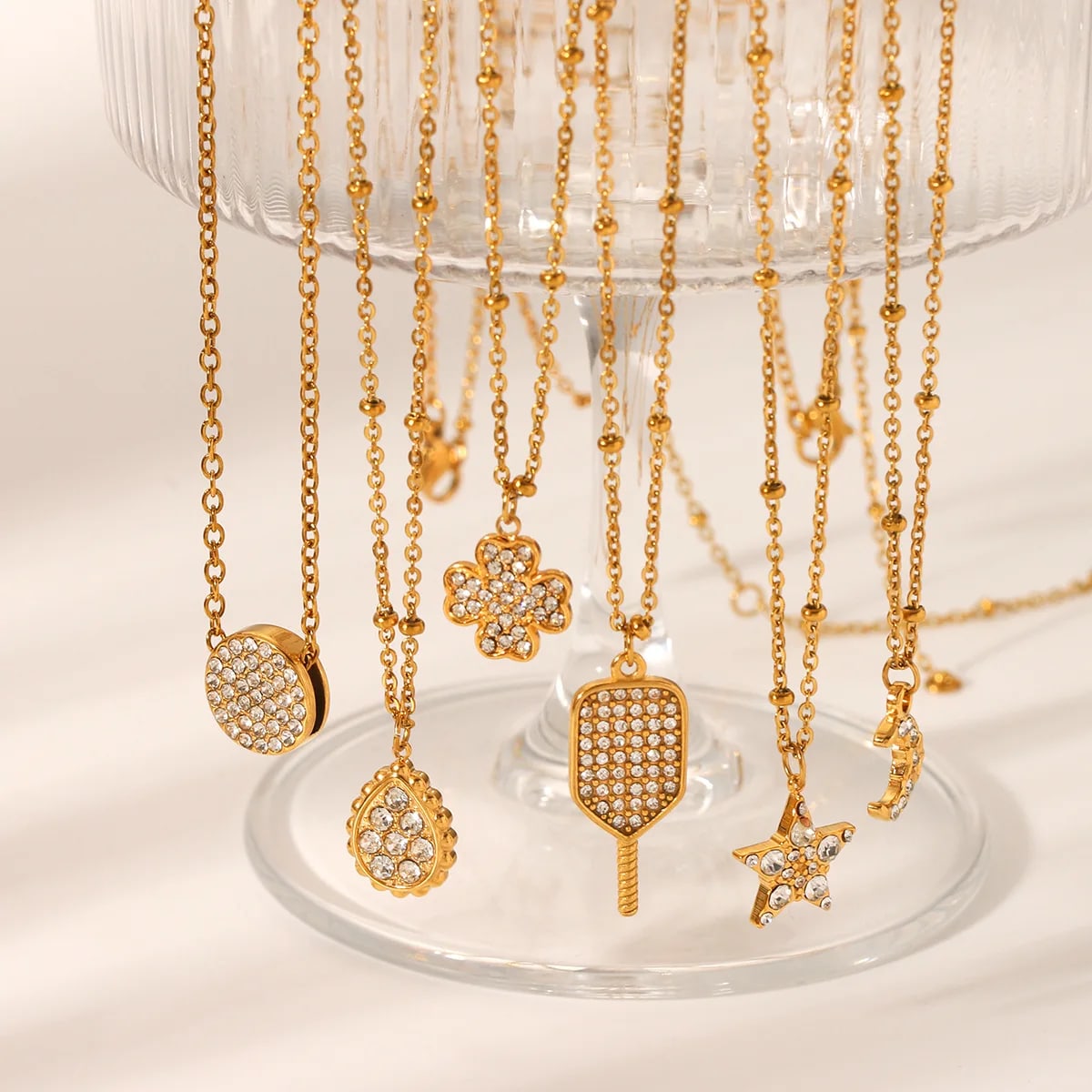
Vintage jewellery has been the leading category in fine jewellery sales for three consecutive years — driven by sustainability concerns, the appeal of unrepeatable craftsmanship and the simple fact that older pieces often look better than new ones. Here are the colour trends shaping vintage jewellery demand for the warmer months.
Why vintage nowThe vintage market grows for reasons that go beyond fashion:
- Sustainability — no new mining, no new production. The most circular form of fine jewellery.
- Investment performance — signed Cartier, Van Cleef and Bulgari pieces from the 1920s–1960s have appreciated 4–8% annually for two decades.
- Authenticity — modern reproductions cannot match Edwardian filigree or Art Deco hand-set platinum.
- Story — every vintage piece carries a small narrative that new jewellery cannot match.
Warm yellow tones are dominating spring/summer demand. The shift away from cool platinum looks favours:
- 1940s Retro pieces — substantial yellow and rose gold curves with citrine and amethyst centres.
- Edwardian rose-cut diamonds in yellow gold mountings — softer than modern brilliants, warmer than platinum settings.
- Honey-coloured gold from southern European workshops — Italian and Spanish 18k gold reads warmer than English or German pieces.
Pair with: ivory linen, pale yellow silk, soft tan leather, and warm-toned florals.
Trend 2: Soft watercolour stonesVivid saturation has given way to softer, more painterly stones — the colour-block trend filtering down to gemstone choices:
- Pale aquamarine — the Edwardian period's signature stone, set in lace-like platinum or yellow gold.
- Morganite — peachy-pink beryl that suits rose gold settings.
- Lavender freshwater pearls — naturally pastel, beautifully suited to summer dressing.
- Pale yellow sapphire — softer than vivid yellow diamond, comparable beauty.
- Mint-tinted beryl (heliodor and chrysoberyl) — unusual stones from Edwardian and Retro eras.
Dark organic colours are leading pearl demand:
- Tahitian black — naturally dark pearls in 9–14 mm sizes.
- Peacock green-grey — iridescent, photographs beautifully.
- Aubergine and silver-grey — for evening wear with deep colours.
1960s Tahitian pearl pendants and earrings are particularly sought-after at auction.
Trend 4: Coral and turquoise revivalThe Mediterranean palette has returned — particularly:
- Italian Mediterranean coral in 1950s–1970s necklaces and earrings.
- Persian turquoise in 1960s–1970s gold settings.
- Coral + diamond combinations from Bulgari's Rome era.
Both are non-renewable resources today (Mediterranean coral and Persian turquoise are heavily restricted), making vintage examples increasingly rare.
Trend 5: Citrine and amethyst (the Retro return)Large 1940s–1950s cocktail rings with substantial citrine, amethyst or smoky quartz centre stones in rose gold mountings:
- Often 5–15 carat centre stones — visually impressive at a fraction of diamond cost.
- Curvy rose or yellow gold mountings with diamond accents.
- Originally designed for the cocktail era; reading perfectly contemporary today.
Edwardian and Belle Époque "natural form" jewellery — bees, butterflies, flowers, vines, sun discs — is having a strong year:
- Bee brooches in yellow gold with diamond bodies.
- Flower clusters with pearl or coloured-stone petals.
- Butterfly earrings in plique-à-jour enamel (translucent stained-glass effect).
- Sun motifs — radiant gold disc pendants and earrings.
Cleaner, more architectural 1960s and 1970s pieces are claiming a rising share of vintage demand:
- Sculptural gold cuffs from Mexican (Margot de Taxco) and Scandinavian (Georg Jensen) workshops.
- Brutalist textured gold pendants from Italian designers.
- Single-stone modernist pieces with bezel-set diamonds in geometric gold settings.
- Identify your period of interest first — Edwardian, Deco, Retro, Mid-century, Hippie. Each has consistent character.
- Buy from reputable dealers — auction houses, established antique jewellers, certified vintage retailers.
- Demand provenance documentation for any piece over £1,000 / $1,500.
- Check condition carefully — vintage filigree, enamel and pearl setting are fragile; restoration work should be disclosed.
- Negotiate — vintage prices are more flexible than new fine jewellery.
- Insure immediately upon purchase.
- Pair with simple modern clothes — vintage jewellery rests beautifully against a plain silk t-shirt or a tailored white shirt.
- Don't over-accessorise — one significant vintage piece is more impactful than several together.
- Mix eras carefully — Edwardian + Mid-century is a difficult mix; Deco + 1970s is more harmonious.
- Annual professional cleaning — vintage pieces benefit from gentle professional care.
- Wear them often — vintage jewellery is meant to be lived in, not stored.
Is vintage jewellery a good investment?
Signed pieces from major houses (Cartier, Van Cleef, Bulgari, Tiffany) have outperformed most asset classes over twenty years. Unsigned vintage is excellent jewellery but a less reliable financial investment.
How old does jewellery need to be to count as vintage?
The trade defines "vintage" as 50+ years old. "Antique" means 100+ years old. Pieces between 30–50 years old are sometimes called "estate" jewellery.
Can I get vintage pieces resized or repaired?
Most yes, with care. Use a fine jeweller experienced with vintage work — modern repairs can damage period craftsmanship if done badly. Filigree platinum and enamelled pieces require specialist hands.
For more vintage education, see our Art Deco guide or vintage necklace guide.